


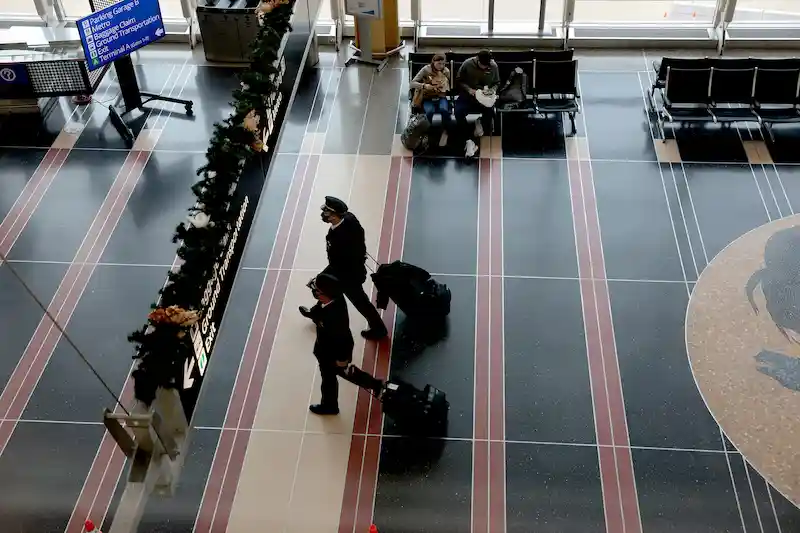


The US airline industry is bracing itself for a wave of pilot retirements, which will exacerbate the country's pilot shortage crisis. This will lead to reduced flight availability for passengers and increased fares, according to industry experts who testified before a House Transportation and Infrastructure subcommittee on Wednesday.
Faye Malarkey Black, CEO of the Regional Airline Association, warned that over half of the pilots currently working will hit the mandatory retirement age of 65 within the next 15 years, and younger pilots are not filling the gap. The ongoing pilot shortage is a nationwide issue, with 42 states currently offering less airline service than before the pandemic. Additionally, 136 airports have lost at least a quarter of their service, and 11 smaller airports have lost all their flights to larger hubs.
More than 500 planes belonging to regional airlines are sitting idle due to a lack of pilots, and those that do fly are being used up to 40% less than in the past.
Major airlines such as American, United, and Delta are also facing pilot shortages, and have been hiring pilots away from regional carriers. This exacerbates the problem for passengers and smaller cities that rely on feeder services from regional carriers. Black's group represents the regional carriers and has warned that the cost of training a new pilot can be as high as $200,000 when combined with the cost of a bachelor's degree. She has also noted that federal financial aid is insufficient to provide poorer students with the opportunity to become pilots.
According to Black, the demand for pilots will continue to grow, as fewer than 8% of the pilot workforce are under the age of 30, and many are entering the cockpit as a second career. However, the union representing most US airline pilots has urged Congress not to change pilot qualification and training standards, as some ideas would compromise safety. The union has also argued that the airlines are understaffed due to inadequate pay and quality of life conditions for pilots, as well as management decisions made during the pandemic.
The hearing also discussed the lack of diversity among pilots, who are mostly male and white, and potential ways to address this issue, which could also help alleviate any pilot shortages.
The airline industry was already experiencing a pilot shortage before the pandemic, and airlines received billions of dollars in taxpayer money during the pandemic to prevent layoffs and further exacerbation of the shortage. However, to cut costs during the pandemic, many airlines offered buyouts and early retirement packages, and the pipeline of new pilots was also disrupted.