


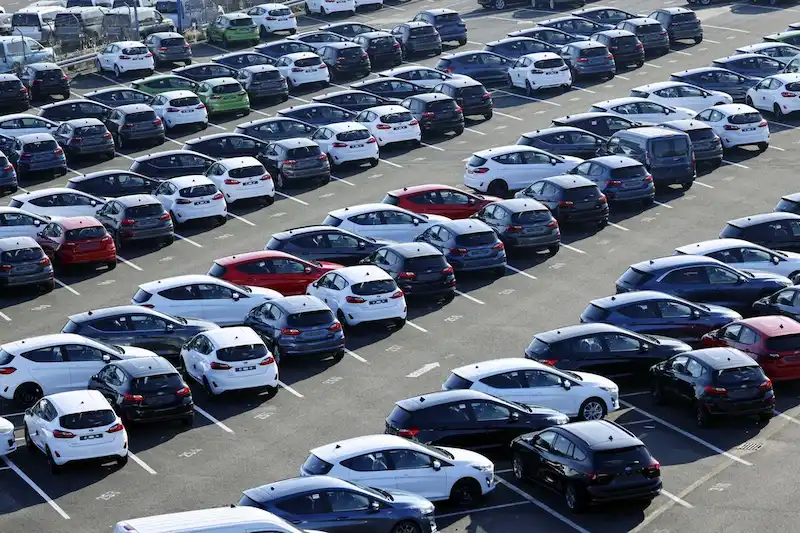


The cost of car ownership in the US has skyrocketed in the wake of the Covid pandemic, with factors like supply chain disruptions and rising interest rates contributing to the surge. As a result, the average sticker price for a new car in December 2022 reached $48,759, or a near-record $770 monthly payment. This represents a 30% increase compared to January 2019. While factory production has resumed, pent-up demand and a shortage of inventory continue to keep car prices elevated, including the used car market.
Rising Car Prices:
Over the past decade, the average monthly payment for a car in the US hovered around $400. However, by December 2022, in the midst of the pandemic, this number had almost doubled, hitting a record high of $788 per month. While new car prices have come down slightly from their peak, the surge in interest rates, driven by the Federal Reserve's actions to combat inflation, has kept monthly payments high. In November, the average monthly bill for a used car rose to $561, a 37% increase from late 2019. In 2023, the overall cost of owning and operating a new car reached $12,182 annually, or $1,015 per month, according to AAA.
Factors Driving Price Increases:
The significant increase in car prices can be attributed to multiple factors. While supply chain disruptions, including the scarcity of vital semiconductors, have subsided, car companies have been slow to replenish inventory due to high profitability. Loan interest rates have also played a crucial role, with the average rate for new cars reaching 9.6% compared to 5.5% in late 2019. Concerningly, subprime auto borrowers who are at least 60 days past due on their loans have risen to 6.11%, the highest level since 1994. Additionally, many car owners find themselves underwater on their loans, as the market value of their vehicles decreases faster than the debt is repaid.
Impact on the Used Car Market:
The used car market has witnessed its own challenges during the pandemic. Supply shortages occurred as fewer people traded in their vehicles while demand soared as consumers received government stimulus checks. This perfect storm led to a drastic decrease in used car supply and higher prices, with some individuals able to sell their cars at a profit. Although prices have slightly declined from their peak, disruptions in parts production from the United Auto Workers strike have posed additional challenges. As of November, the average price for a used car reached $26,091, still $6,000 more than at the end of 2019.
Electric Vehicles and Affordability Concerns:
Electric vehicles (EVs) have faced particular hurdles in the US market due to their high prices. The cost of EV batteries remains more expensive than internal combustion engines, making eco-friendly cars pricier for consumers. While efforts have been made to reduce prices, such as Tesla's discounts, EVs still carry an average price tag of almost $51,000, around $3,000 more than traditional vehicles. Limited variety further hampers adoption, as only the Nissan Leaf is priced below $40,000, while many conventional models fall below that threshold. Consequently, EV inventories at US dealers reached a record high of 130 days in December, compared to 69 days for internal combustion vehicles.
Future Outlook:
Cox Automotive suggests that relief may be on the horizon as new car inventories gradually return to normal levels. This development could shift the market dynamics and contribute to a less seller-friendly environment in 2024. However, with high interest rates still burdening consumers, substantial price reductions are essential to make car ownership more affordable. The Federal Reserve's plan to lower interest rates in 2024 may provide some relief in this regard. As the US car industry continues to navigate through the aftermath of the Covid pandemic, it remains to be seen how car prices and ownership costs will evolve in the coming years.