


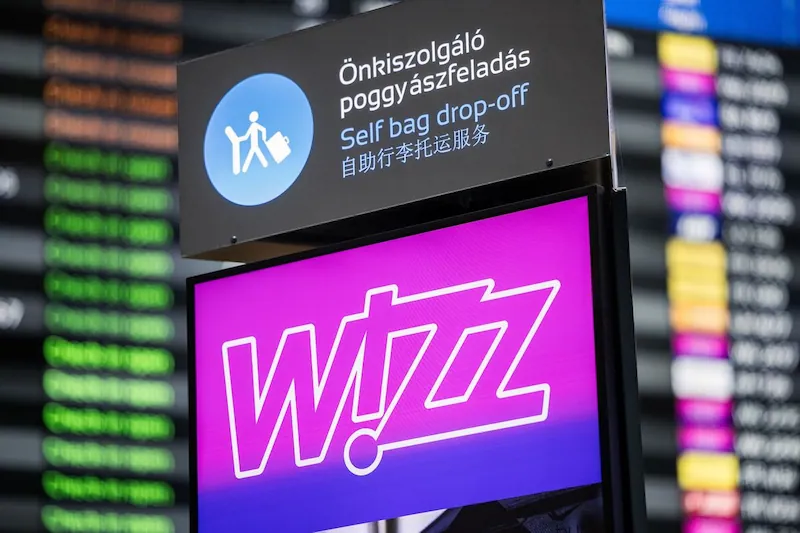


Wizz Air Holdings Plc has begun a tender process to select a new engine supplier for 177 Airbus SE aircraft that it has ordered. This strategic move could see the budget airline pivot away from its existing engine provider as it continues to face operational disruptions due to ongoing issues with its current powerplants.
Presently, Wizz Air has the choice between continuing with its current supplier, Pratt & Whitney, or switching to engines from CFM, a joint venture between Safran SA and General Electric Co. CEO Jozsef Varadi disclosed the details of this procurement process during the CAPA aviation summit in India, a statement that was later corroborated by a company spokesman.
Pratt & Whitney’s geared turbofan engines have recently been plagued by complications stemming from contaminated metal powder, leading to significant groundings of Airbus A320-family jets across various airlines globally. As of May 17, Wizz Air reported that these engine troubles have sidelined 47 of its aircraft, thereby hampering the budget carrier's capacity expansion.
Varadi highlighted that the key factors influencing Wizz Air's decision for the new supplier include the acquisition cost, the durability of the engines, and their operating costs. According to him, approximately half of the 330 aircraft the airline has on order are slated to be equipped with Pratt's GTF engines, while the remaining 177 planes will be subject to the outcome of this tender process.
As Wizz Air continues to grapple with significant challenges related to its existing Pratt & Whitney engines, the outcome of this tender could significantly impact its future operational efficiency and growth trajectory.