




Something’s shifted in the skies above the United States. Since the pandemic turned the world upside down, airlines have been quietly redesigning the way they operate—not just in how they fly, but who they’re flying and how. While leisure travel dipped and bounced and then dipped again, one thing stayed strangely steady: people with money still wanted to fly in style. And that’s where the big airlines placed their bets.
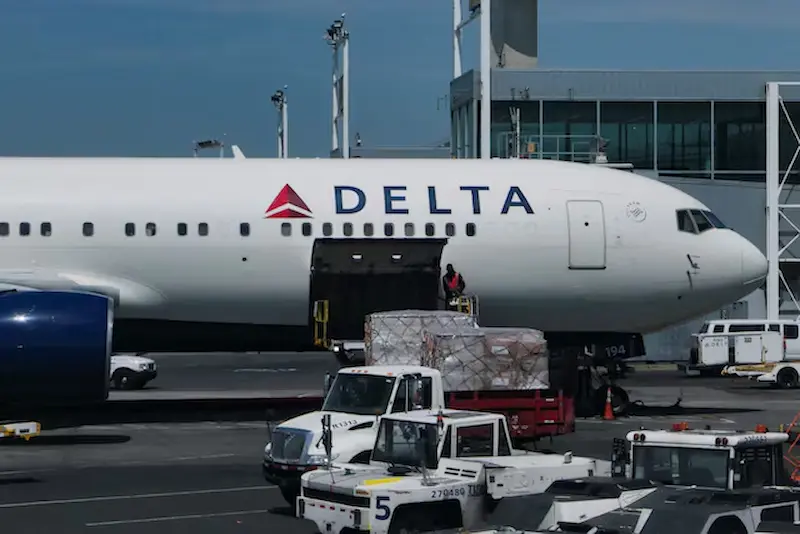
Take Delta, for instance. In the second quarter of this year, revenue from premium ticket sales climbed 5% compared to last year. At the same time, the regular economy seats—the ones most of us still fly in—saw a 5% drop in revenue. That’s a ten-point spread, the biggest difference since COVID-19 turned airports into ghost towns. Thanks to that premium crowd, Delta managed to post a tidy double-digit profit margin between April and June.
United Airlines had a similar story to tell. Even with major disruptions at its Newark hub, the airline saw earnings rise, helped largely by a 5.6% boost in premium cabin sales. Regular ticket revenue barely moved, nudging up just over 1%. The same trend played out in the first quarter, when economic uncertainty sent shivers down the travel sector.
The takeaway? Airlines have found a safety net—and it’s stitched with leather seats, champagne, and a little extra legroom.
According to United’s Chief Commercial Officer Andrew Nocella, premium capacity is “resilient.” That’s corporate speak for: rich people still fly, no matter what’s going on in the economy. These travelers, usually earning over $100,000 a year, make up 75% of air travel spending in the U.S. And as long as their finances hold up, so does the airline business.
Sure, the markets wobbled a bit this spring when Trump-era tariffs made a sudden comeback. But Wall Street bounced back, and with it, consumer confidence among those who can afford comfort in the clouds. “Our core consumer is in good shape,” Delta CEO Ed Bastian said last week, “and continues to prioritize travel.”
It’s not the same story for everyone, though. Households with tighter budgets have started pulling back. Bank of America reports that lower-income spending went negative in June. That shift is now echoing through the budget airline sector.
JetBlue, which has been treading water financially, warned staff last month that breaking even next year might not be possible. Meanwhile, budget players like Frontier and Spirit are slashing flights to try and limit excess seat supply, and therefore keep prices from plummeting further.
In contrast, premium cabins have become the industry's “profit differentiator.” These travelers aren’t as sensitive to fares, making their loyalty more dependable—especially in turbulent economic times.
At Delta, premium seat sales now make up 43% of passenger revenue. Back in 2019, it was only 35%. The airline thinks that by 2027, money from premium passengers will exceed that from regular flyers altogether. That shift is already visible in the stock market. Shares of Delta and United have outperformed most of the industry over the past two years.
With that kind of momentum, airlines are leaning in even harder. United’s new Boeing 787-9 jets are getting private suites with 27-inch entertainment screens, skincare kits, and high-end dining—including caviar. Alaska Airlines plans to push premium seating up to 29% of its total capacity by next summer.
And now, even the budget airlines want in. JetBlue is outfitting planes with domestic first-class seats and opening lounges at airports in New York and Boston. Frontier is adding first-class seating to its front rows. Spirit is even trying to shake off its “no-frills” label and step into the premium space.
There’s data to back the trend. According to Visual Approach Analytics, premium seats in U.S. domestic markets have grown by 14% since 2019. That’s more than three times the rate of growth in economy seating.
Of course, there’s a risk. Add too many of those fancy seats, and airlines could hit a wall: too much supply, not enough demand, and the prices tumble. But for now, the industry isn’t worried. Ben Minicucci, CEO of Alaska Airlines, put it simply: “Premium travel is about more than a seat. It’s an experience.”
And as long as travelers are willing to pay for that experience—even if others cut back—airlines seem content to chase altitude and elegance over volume and vouchers.