


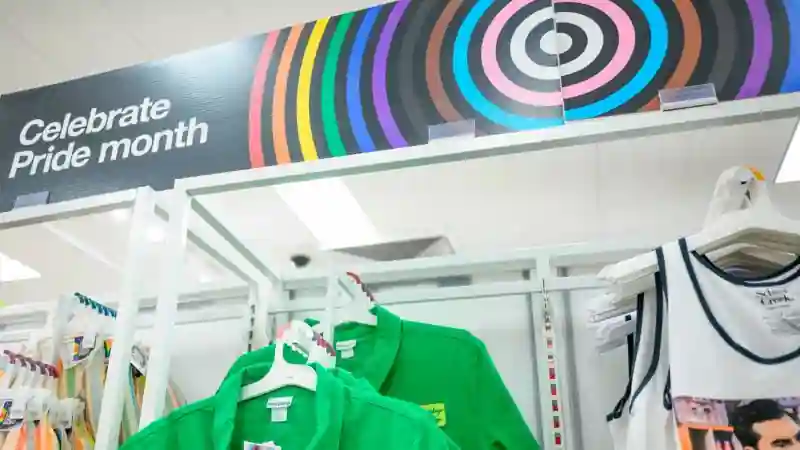


This year, Target came under fire from an anti-LGBTQ campaign that went viral on social media during Pride Month. Far-right personalities and social media users spread misleading information about the company's Pride Month products and business practices, with the aim of damaging the company's sales and reputation.
The campaign became hostile and even led to threats against Target employees as well as damage to products and displays in stores, creating an impossiblesituation for the company. Target had to choose between safeguarding its employees and stores or continuing to support customers who wanted to buy the products it was selling. Eventually, Target removed certain items that caused the most “volatile” reactions from opponents in order to protect employee safety.
However, Target's response led to criticism from LGBTQ advocates, who accused the company of caving in to extreme elements of American society. Kelley Robinson, the president of the Human Rights Campaign, urged Target to put the products back on the shelves and ensure their Pride displays were visible on the floors. She added that by not doing so, Target was giving in to the bullies.
Target became the focus of the anti-LGBTQ campaign's ire for selling Pride-themed merchandise, but the campaign misrepresented Target's ambitions. As one of the largest retailers in the country, Target was attempting to reach a growing LGBTQ market of employees and customers. It was ultimately a business decision in the interest of enriching Target's shareholders.
The campaign also made false claims, including a baseless statement that Target was marketing one product for transgender adults to children. In reality, Target sold a women’s swimsuit that was “tuck friendly” to conceal male genitalia, but these were only available for adults. Additionally, the Erik Carnell-designed products that opponents claimed were being sold by Target were actually not part of the company's collection.
Target's response to the campaign has frustrated supporters of gay and transgender rights, who argued that the company had caved in to pressure from bigoted individuals. California Governor Gavin Newsom accused CEO of Target Brian Cornell of selling out the LGBTQ+ community, while the president of advocacy group GLAAD stressed that corporate leaders must stand up for their LGBTQ employees and consumers and not cave in to fringe activists calling for censorship.
Corporate marketing experts noted that more brands are being caught in cultural issues, partly due to social media. They advised that it is always best for brands to avoid super controversial issues that are not directly related to their business. However, the increasing number of anti-LGBTQ bills introduced in statehouses this year and escalating political attacks on transgender people by leading Republican candidates for president has led to companies such as Bud Light and Nike being targeted over promotional campaigns featuring transgender people.
While Target was acting to protect its employees, corporate marketing experts say that the company's response could embolden gay and transgender rights opponents to target other brands. They suggest that Target could have tried other ways to resolve the issue before pulling the products altogether, such as strengthening store security or educating customers and employees.