


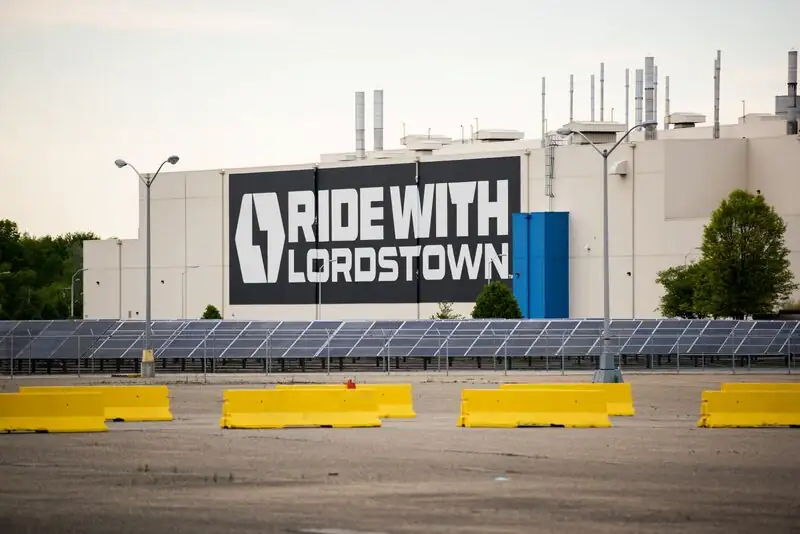


The recent conflict between Foxconn and Lordstown Motors reflects the growing challenge of investing in the electric vehicle (EV) industry. Six months ago, Foxconn agreed to invest up to $170 million in Lordstown, giving the fledgling EV maker a much-needed financial lifeline. However, Foxconn has not yet acquired enough Lordstown shares to build an 18.3% stake in the company, and its ownership currently stands at 8.4%. As a result, Lordstown may be forced to cease operations and file for bankruptcy after Foxconn informed the company that it is prepared to withdraw from the production partnership.
The partnership between the two companies began to unravel when Lordstown asked Foxconn to suspend production because the cost of making the Endurance pickup truck exceeded the targeted sale price of $65,000. Lordstown also stated that it would need another partner beyond Foxconn to share costs, and no such partner has come forward. Lordstown’s shares have plummeted 96% since October 2021 when the Ohio deal was first announced, and the company's common stock traded below $1, resulting in a notice from Nasdaq that its listing on the exchange is at risk.
In April, Foxconn informed Lordstown that it would walk away from the partnership if a remedy isn’t found within 30 days. The deadline passed on the eve of Lordstown's annual meeting, where shareholders approved a reverse stock split to prevent the company from being removed from the Nasdaq.
The recent conflict between Foxconn and Lordstown is reminiscent of the boom-and-bust craze for EV investments seen in the pandemic years. At their highs, companies such as Nikola, Fisker, Canoo, Arrival, and Lordstown, which went public through mergers with special purpose acquisition companies, were worth $60 billion collectively. The corrections that followed have been severe, with companies such as Nikola, Rivian, and even industry leader Tesla seeing significant declines in their share prices.
The challenges of retooling assembly plants, building battery factories and creating a reliable and cost-efficient supply chain are becoming increasingly clear to companies and investors alike. Foxconn's experience with its investment in Lordstown highlights that even large companies with resources can struggle to make headway in the EV industry. Although the iPhone maker has set an ambitious target of generating $33 billion in annual revenue from its auto business by 2025, its actual car-making record remains meager.
When it purchased the Ohio plant, Foxconn saw an opportunity to gain a foothold in the rapidly developing US EV market. However, the recent conflict with Lordstown suggests that its attorneys are doing more work on the partnership than its engineers. As attitudes towards EVs continue to deteriorate, achieving success in the industry will require significant investment and strategic partnerships.